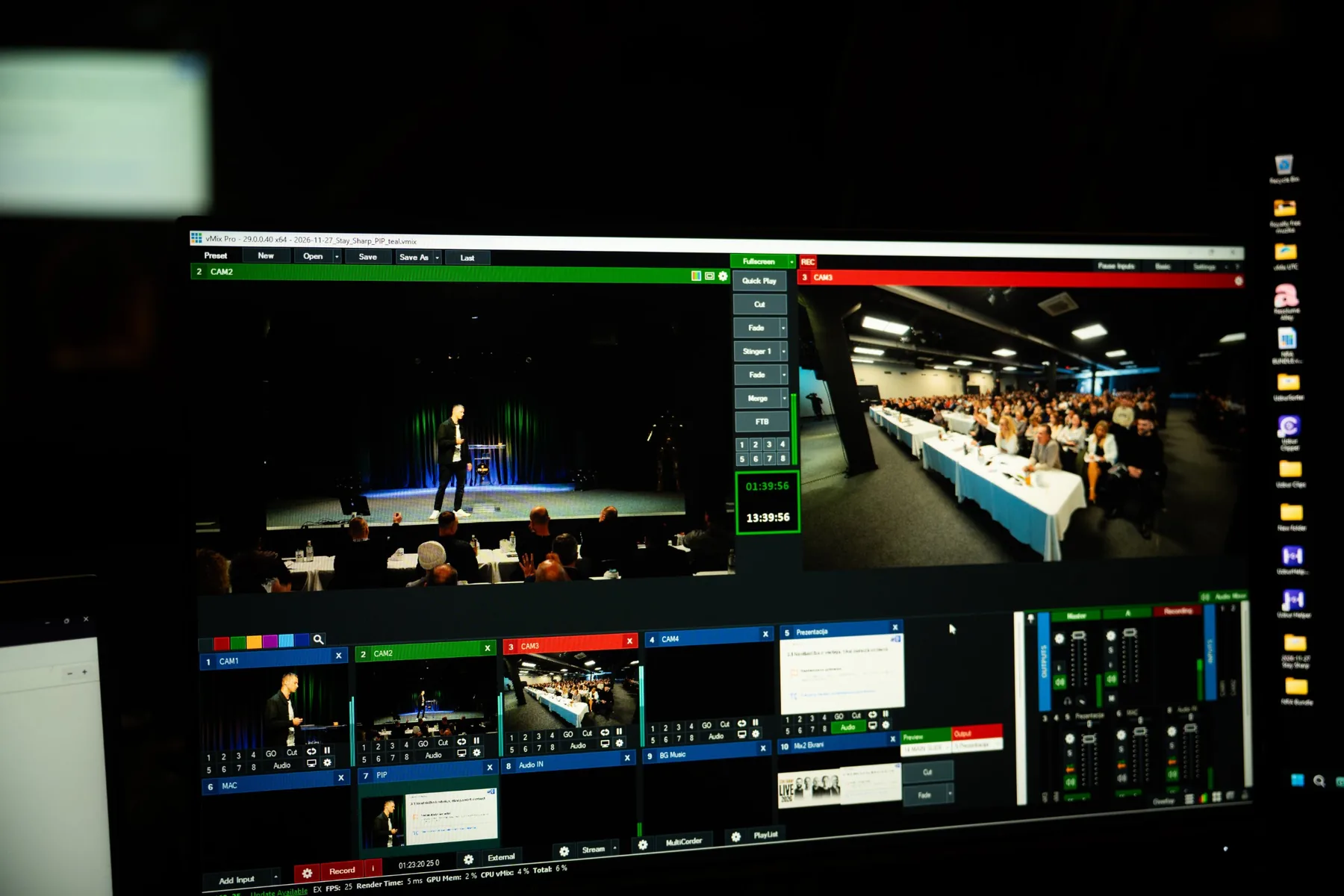
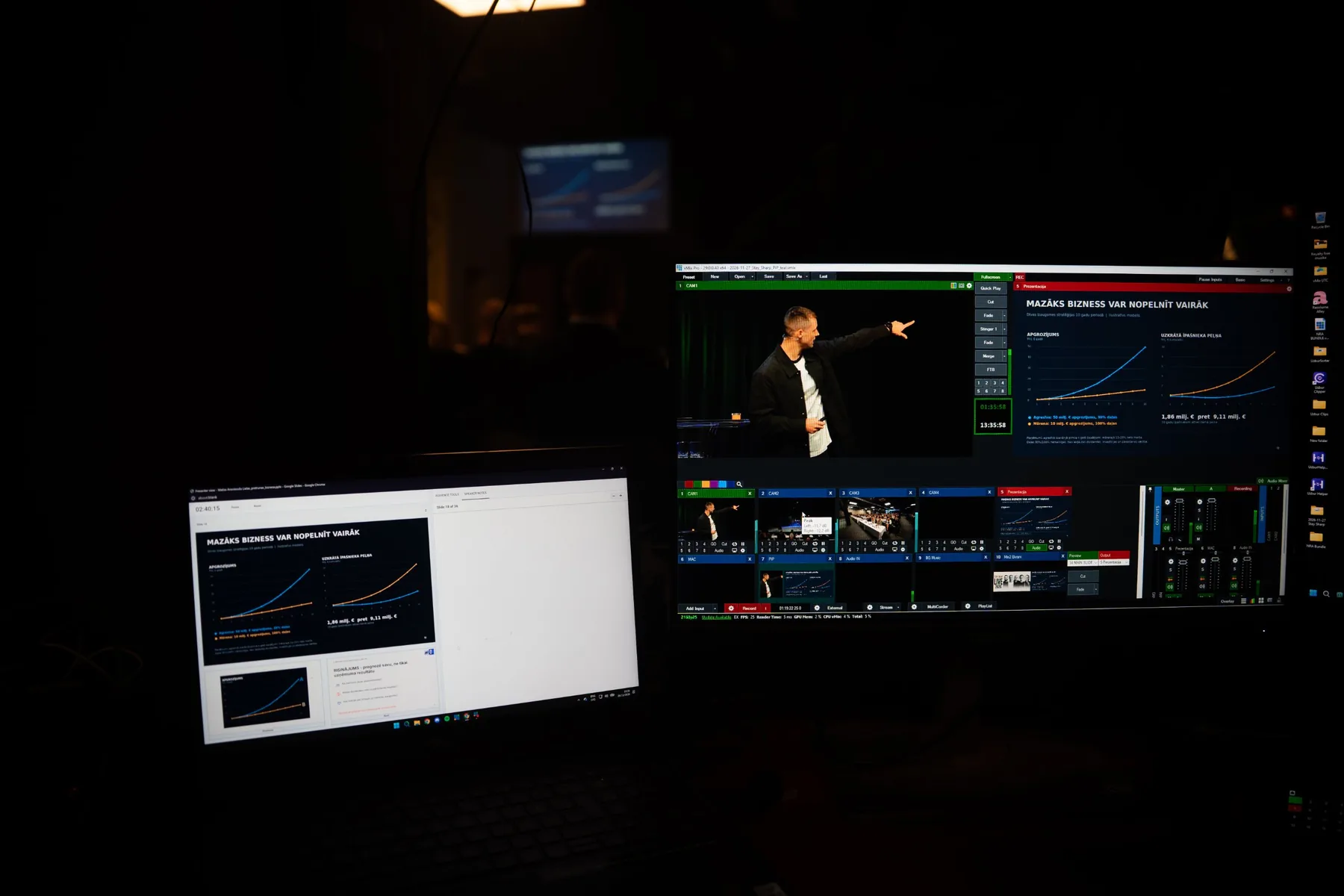
Live Concert Streaming – What's Needed for Quality Transmission?
What's required for quality live concert streaming: a platform, stable internet, live sound mix, rehearsal and an action plan for technical issues.
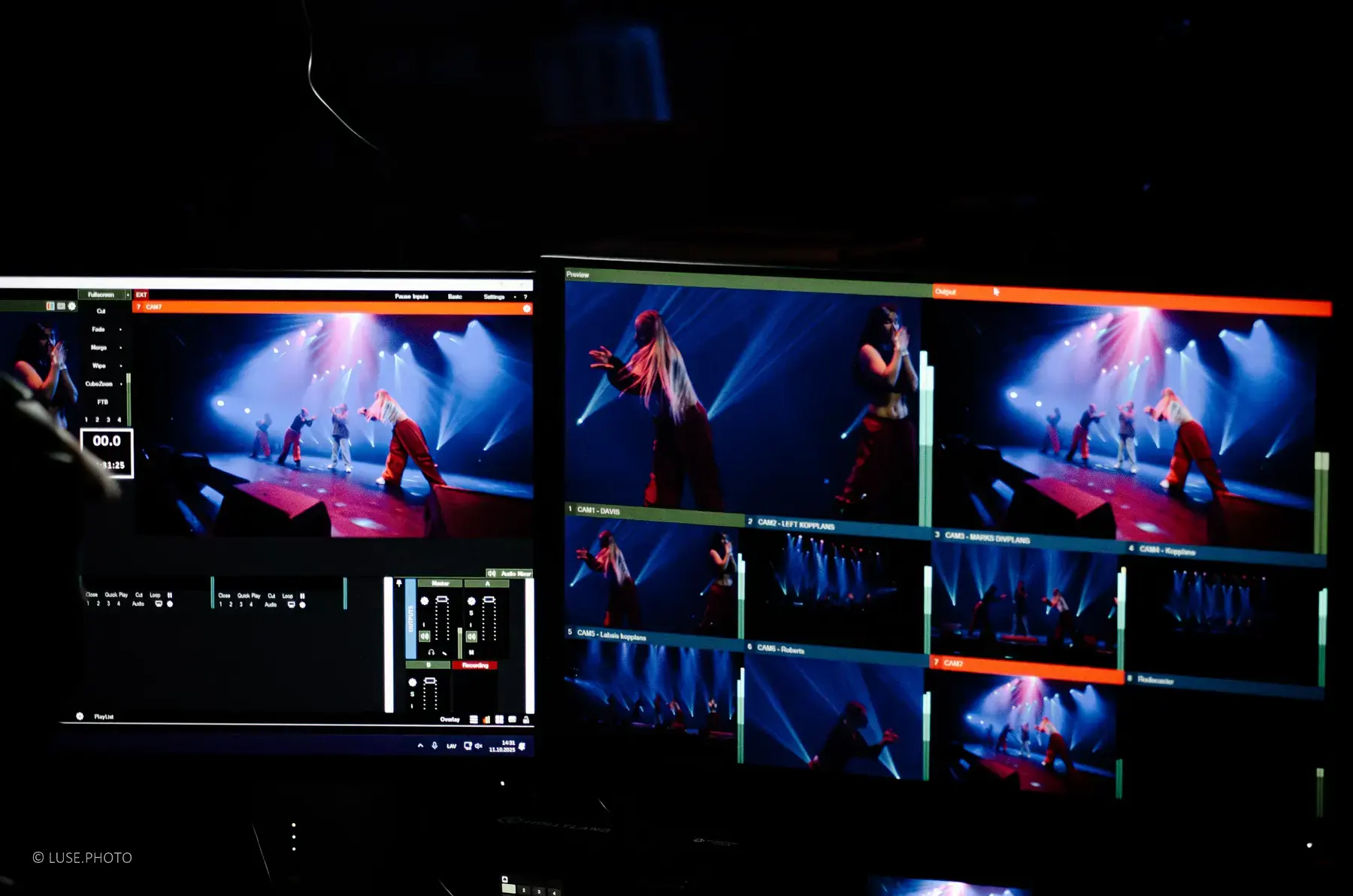
These days, concerts and shows can be watched not only in person, but also from home or even from other countries. Live streaming gives event organisers the opportunity to reach a wider audience, which they might not have reached if they hadn't created a live stream. This way, viewers are given the opportunity to participate in the event regardless of their location.
However, organisers must remember that live streaming requires a lot of preparation. It's not enough to just set up a camera and connect to the internet, as things like the choice of transmission platform, sound quality and, of course, potential technical issues need to be taken into account.
Therefore, it's essential to understand what's needed technically before the event itself to ensure a stable and quality live stream.
1. Where Can Viewers Watch the Live Stream?
One of the first questions event organisers need to answer is the choice of live streaming platform.
The most popular choices are YouTube and Facebook, where viewers can easily watch the transmission. These platforms may be more suitable for free concerts, public events or advertising purposes.
But if the organiser wants a paid live stream, it's possible to use specialised platforms where viewers buy a virtual ticket to watch the concert.
The choice of platform is highly dependent on the purpose of the event, the audience and the budget. Before the live stream, it's also obligatory to ensure that the rules of the chosen platform are not violated, especially with regards to music copyrights and transmission availability.
2. How to Ensure a Stable Internet Connection?
Internet connection is one of the most important technical factors when organising a concert live stream.
During the live stream, the video and audio signal is constantly sent to the chosen platform. If the internet connection becomes unstable, viewers may experience image delays, quality deterioration or even transmission interruptions.
Therefore, before the concert, we recommend checking not only the internet speed but also its stability. The upload speed is very important, as it directly affects the ability to send the live stream signal.
One small tip to ensure the best possible internet connection is to use a separate internet connection that is not publicly available to event attendees, as there is a high likelihood that public internet will also be used by concert attendees.
For larger events, it is even recommended to provide a backup internet connection to use in case problems arise with the main connection.
3. How does the sound from the stage reach the live stream viewers?
At the concert, the audience hears the music through the event's sound system. But the sound that sounds good in the concert hall may not always be suitable for live streaming.
For example, at the concert, most of the sound is created by the instruments on stage, the speakers and the acoustics of the room itself. On the other hand, live stream viewers only hear the audio signal that is sent for transmission.
Therefore, a high-quality concert live stream usually requires a separately tailored sound mix.
This can be prepared using the audio signal from the concert sound system. Sometimes additional microphones are also needed to capture the audience's reactions and help better reflect the atmosphere of the event.
It is also important to remember to check the sound levels before the event so that live stream viewers can hear both the music and the artists' performances well.
4. Why is a live stream rehearsal necessary?
But even if everything seems to be in order, it's a very good idea to do a live stream test.
With this test, without risking the actual event, you can check if the live sound signals are being transmitted correctly, if the visual quality is sufficient and if the internet connection is stable.
This type of test can also be used to understand how the filming team will communicate with each other and who will be responsible for specific technical processes.
Of course, before the live stream, everything can work very well separately, but it's always worth checking if all the equipment works well together as a unified system.
5. What happens if a technical problem occurs during the live stream?
You can prepare for the live stream in various ways and check if everything works well, but even in the best-prepared situations, unforeseen problems can arise that simply couldn't be avoided before the start of the live stream.
For example, the internet connection can suddenly break, sound problems can occur or one of the devices can stop working.
That's why it's recommended to prepare an action plan for such technical problems before the event.
Depending on the type of event, it's possible to predict a reserve internet connection, additional technical equipment or a local video recording that saves the event material even if the transmission is interrupted.
It's also important to determine which team member will be responsible for solving the problems and how the live stream viewers will be informed in case of need.
Of course, not all technical problems can be avoided, but preparation that helps to reduce the impact of these problems and makes it easier to solve them is the best thing you can do for the company, the filming team, the viewers, and, of course, your reputation as a concert organizer.
Organizing a concert live stream with Uzbur Productions
Uzbur Productions offers professional concert and show filming, dynamic live editing and real-time video signal provision for large screens.
Each event is provided with an individual technical solution, taking into account the venue, event format and the organiser's needs.
When planning a concert broadcast, it is also important to evaluate all technical issues in a timely manner, so that viewers can enjoy the event remotely. The involvement of a professional team can help prepare for the broadcast and reduce the risk of unforeseen technical problems.